CulturalAtlas
About the project

A looser way into the museum archive.

CulturalAtlas is an infinite viewing table for open-access museum collections. It gathers public records from major institutions, cleans up the metadata enough to search across them, and gives the images room to sit beside one another.

The point is discovery with a little friction left in. Type ceramic horse, mourning jewelry, or traditional pottery techniques and the canvas starts arranging fragments from different rooms, centuries, and cataloging systems. Some searches behave neatly. Better ones send you sideways.

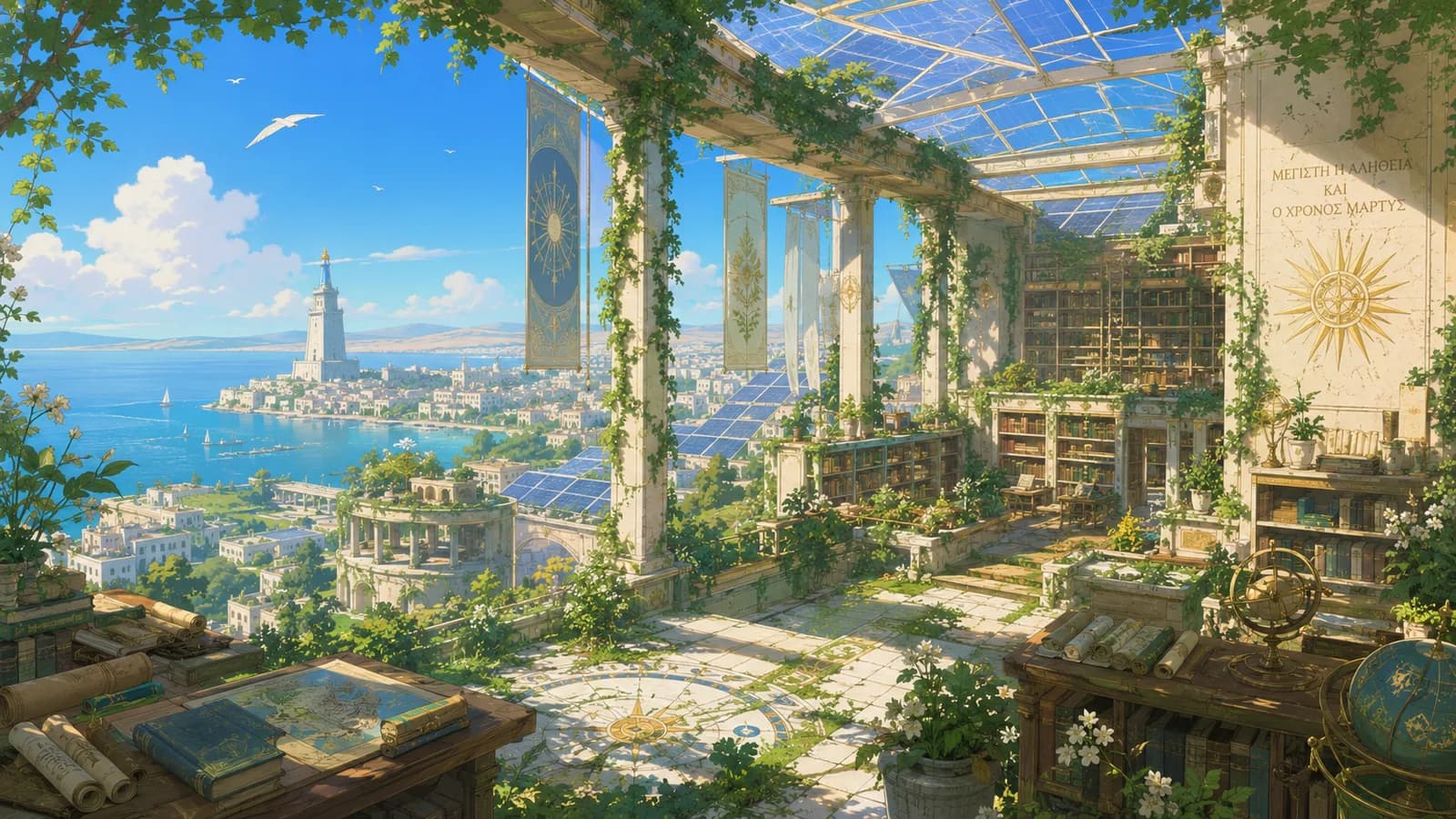
A sunlit archive room overlooking a coastal city.
What it pulls from

The first pass focuses on open-access art, design, medical, and material culture records. More institutions can slot in as new ingest scripts.

The Metropolitan Museum of Art
Cleveland Museum of Art
Art Institute of Chicago
Victoria and Albert Museum
Wellcome Collection
The Walters Art Museum
What works now

The MVP is deliberately plain: search, scan, open details, follow the source, save the deeper magic for after the canvas feels fast.

One shared archive shape

Museum APIs arrive with their own quirks, vocabularies, licenses, thumbnails, and missing fields. CulturalAtlas normalizes them into a single artwork record while keeping the raw source metadata close by.

A viewing table, not a filing cabinet

Search by artist, material, place, date, collection, or an oddly specific phrase. Results land on a scrollable image canvas where neighboring works can start to feel like clues.

Details when you want depth

Open a work to see source links, dimensions, culture, tags, descriptions, and similar records. The first screen stays light, then deeper metadata loads only when it is useful.

Monthly picks from the archive

The newsletter layer turns saved interests into a small batch of artwork emails, more like a studio wall than another feed to survive.

Where it is headed

CulturalAtlas is built for the person who opens one reference tab and comes back an hour later with seventeen.

Embeddings and visual similarity that make reference-hunting feel less literal.

Saved boards for artists, designers, curators, writers, and researchers building a trail.

Research mode, public data exports, and an exhibition builder for people who want to take the archive elsewhere.